ELV System Design Essentials: A Practical Guide from Planning to Maintenance
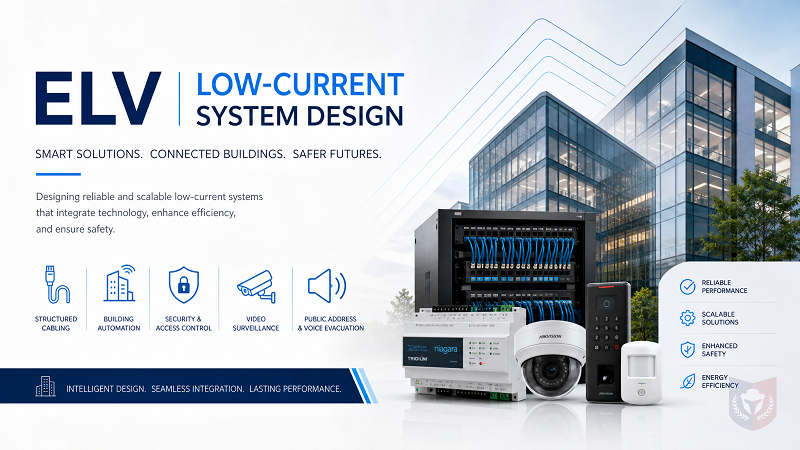
Covering structured cabling, building automation, and more, this guide offers hands-on experience for ELV engineers, project managers, and architects from design to maintenance.
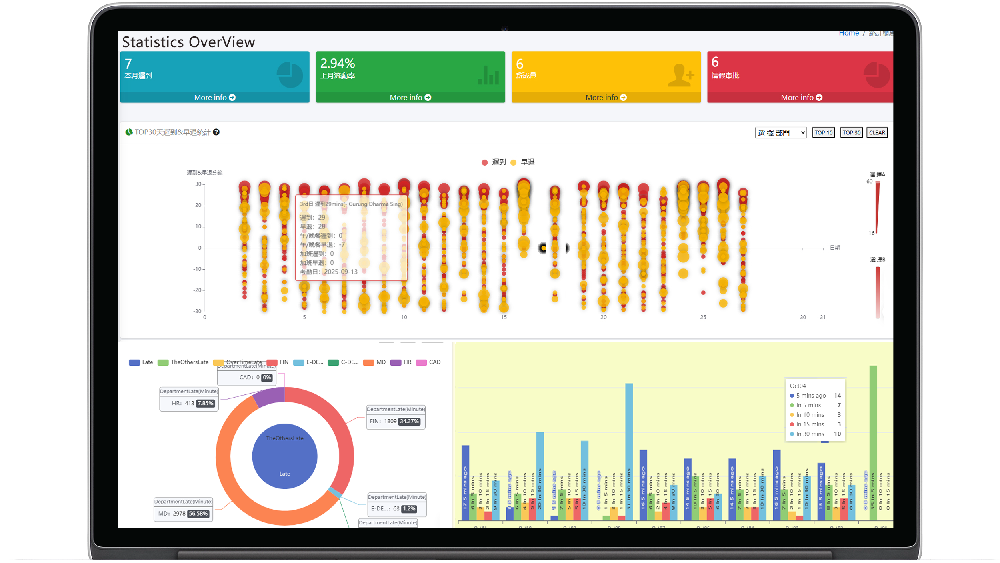
Time & Payroll Suite
Attendance, Payroll and Access Control Solution for Cost Reduction and Productivity Gains Details
All‑in‑one automated timekeeping and payroll system with robust, secure processes to guarantee payroll integrity. Includes leave management, shift rostering, multi‑site and chain support, multi‑ledger accounting, and comprehensive modules.
Introduction
As urbanization accelerates globally, buildings account for over 40% of total energy consumption. The rise of the Internet of Things (IoT) presents unprecedented opportunities for smart buildings. According to IDC, the global smart building market reached $120 billion in 2023 and is projected to grow at 15% annually through 2028. This article explores IoT trends in smart buildings, focusing on energy management and device automation, offering practical insights for building developers and technology directors.
Core Applications of IoT in Smart Buildings
Energy Management
IoT technology enables real-time monitoring of electricity, lighting, and HVAC systems through sensor networks. Smart meters and environmental sensors collect data on temperature, humidity, light, and occupancy, optimizing energy distribution via cloud analytics. Studies by the U.S. Department of Energy show IoT-driven energy management can reduce building energy consumption by 20-30%. Specific applications include:
- Dynamic Lighting Control: Adjusts brightness based on natural light and occupancy, saving up to 40% on electricity costs.
- HVAC Optimization: Uses predictive maintenance algorithms to reduce equipment failures and improve efficiency.
Environmental Monitoring
IoT sensors continuously monitor air quality, noise levels, and harmful gas concentrations. For example, CO2 sensors trigger ventilation systems to maintain a healthy indoor environment, enhancing comfort and meeting green building standards like LEED and WELL.
Device Automation
IoT enables full automation of lighting, blinds, and security systems. Through a unified IoT platform, developers can integrate devices from different vendors for cross-system coordination. For instance, when sensors detect an empty room, lights and air conditioning automatically shut off, activating energy-saving mode. This automation reduces operational costs and extends equipment lifespan.
Latest Data and Trends
- Market Growth: According to MarketsandMarkets, the smart building IoT market was $85 billion in 2023 and is expected to reach $150 billion by 2028, with a CAGR of 12%.
- Edge Computing: Edge computing is decentralizing from the cloud, reducing latency and improving data processing efficiency. Local edge nodes can analyze sensor data instantly without uploading to the cloud.
- AI Integration: AI algorithms combined with IoT enable more accurate predictive maintenance and energy optimization. For example, Google's DeepMind reduced data center cooling energy by 40%.
Future Trends
Digital Twins
Digital twin technology creates a virtual model of a building that reflects its physical state in real-time. Developers can simulate scenarios (e.g., extreme weather or equipment failures) to optimize design and maintenance. By 2025, over 50% of large buildings are expected to adopt digital twins.
5G and IoT Convergence
5G's low latency and high bandwidth support real-time communication for more IoT devices. Smart grids can dynamically adjust power supply based on building demand, improving energy efficiency.
Sustainability
IoT will help buildings achieve carbon neutrality through solar panel monitoring, battery storage management, and carbon footprint tracking. Developers can quantify and reduce emissions.
Implementation Recommendations
For building developers and technology directors, deploying IoT systems requires:
- Choose Open Platforms: Avoid vendor lock-in and ensure device interoperability.
- Prioritize Data Security: Use end-to-end encryption and authentication to prevent cyberattacks.
- Phased Implementation: Start with high-energy systems (e.g., HVAC) and expand gradually.
Conclusion
IoT is transforming smart buildings, from energy management to device automation, offering immense opportunities. As technology matures and costs decline, smart buildings will become standard in the construction industry. Developers and technology directors should seize this trend to build more efficient and sustainable future buildings.
































Featured comments
No comments yet. Be the first.
Leave a comment
Bold and lists OK; no external scripts or images
0 / 2000
Comments appear after moderation