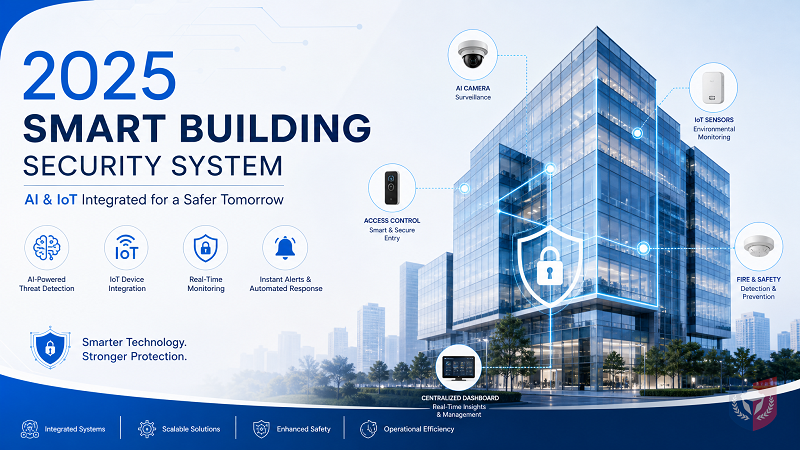
2025 Smart Building Security System Procurement Guide: AI + IoT Reshaping Security Landscape
From AI-powered ELV systems to automated alarms, explore the latest trends in security technology for informed procurement decisions.
Time & Payroll Suite
Attendance, Payroll and Access Control Solution for Cost Reduction and Productivity Gains Details
All‑in‑one automated timekeeping and payroll system with robust, secure processes to guarantee payroll integrity. Includes leave management, shift rostering, multi‑site and chain support, multi‑ledger accounting, and comprehensive modules.
Introduction
In construction site management, attendance and payroll have always been operational pain points. Traditional paper-based clocking and manual hour verification lead to inefficiencies and errors, causing cost overruns. DGX-HRMS is designed specifically for construction sites to reduce costs and improve efficiency, leveraging the latest .NET Core and Angular architecture for enhanced security and stability.
Core System Features
Smart Attendance Management
- Multi-mode Clocking: Supports RFID, Bluetooth Beacon, and GPS location-based clocking for different site zones.
- Real-time Data Sync: Cloud-based development ensures attendance data is uploaded instantly, enabling remote monitoring.
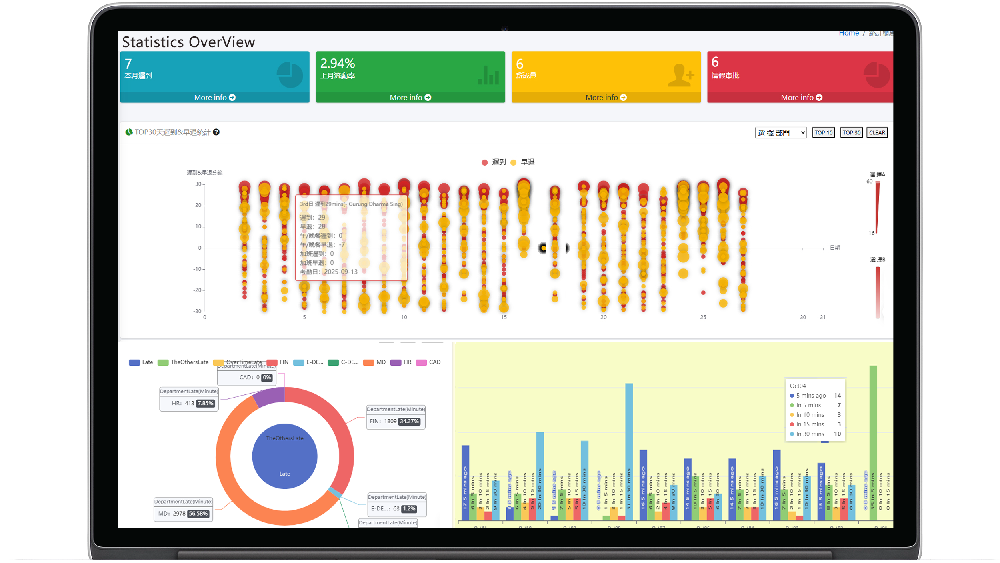
- Anomaly Alerts: AI application development detects late arrivals, early departures, and absenteeism patterns, sending automatic notifications.
Automated Payroll Calculation
- Complex Hour Rules: Supports overtime, night shift, and holiday pay calculations, automatically complying with labor laws.
- HRMS Integration: Seamlessly connects with human resource systems for unified employee data and leave balances.
- Electronic Payments: Supports bank auto-transfer, reducing cash handling risks.
Technical Architecture Advantages
Cross-Platform Development
Backend services are developed with .NET Core, ensuring deployment on Windows, Linux, and cloud environments. The frontend uses Angular web development to provide a responsive UI, supporting mobile app development and web application development.
System Security and Stability
- Authentication: Integrates with Azure AD and OAuth 2.0 to ensure only authorized users access the system.
- Data Encryption: AES-256 encryption for both transmission and storage.
- CI/CD Pipeline Setup: Automated testing and deployment reduce human errors.
Industry Application Scenarios
Construction Site Operations Improvement
- Real-time Labor Tracking: Managers can view attendance rates by trade via dashboards, optimizing resource allocation.
- Cost Control: The system automatically generates payroll reports to analyze labor costs and assist budget management.
- Compliance Management: Automatically generates MPF and tax reports, complying with Hong Kong labor laws.
Smart System Integration
DGX-HRMS can integrate with existing ERP system development, CRM customer relationship management systems, and inventory management systems for unified data. For example, when an employee clocks in, the system can trigger material requisition workflows, boosting efficiency.
Continuous Improvement and Technology Iteration
The DGX team embraces innovation, releasing feature updates quarterly. The latest version introduces AI application development modules to predict employee turnover risks and integrates IoT system development using sensors to automatically record site environmental data for worker safety.
Why Choose DGX?
As a Hong Kong IT company, we specialize in software custom development, system integration, and legacy system upgrades. Our team excels in full-stack development, from database design and optimization to API development and integration, providing one-stop technical consulting services. Whether for SME IT solutions or enterprise system development, DGX delivers tailored solutions.
Conclusion
DGX-HRMS is more than just an attendance and payroll system; it is the core engine for construction site digital transformation. By adopting new technical architectures, we help enterprises reduce costs and improve operational management. Contact us today to experience the power of smart security system development and cross-platform application development.