A comprehensive comparison of the advantages and disadvantages of the Hong Kong Construction Industry Council (CIC) worker interface management platform with other software across Hong Kong.
DGX-HRMS Attendance and Payroll System fully supports the CIC platform, with powerful import and export functions, saving manpower.
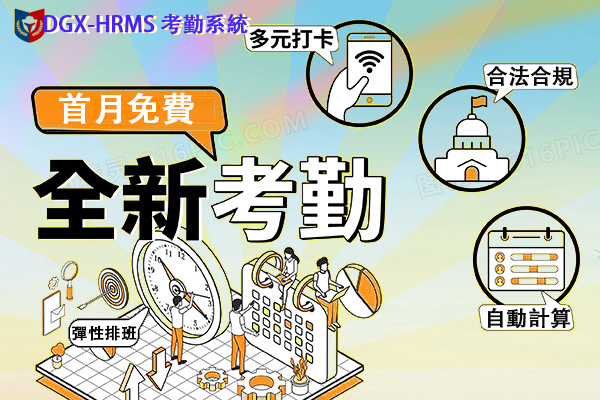
Time & Payroll Suite
Attendance, Payroll and Access Control Solution for Cost Reduction and Productivity Gains Details
All‑in‑one automated timekeeping and payroll system with robust, secure processes to guarantee payroll integrity. Includes leave management, shift rostering, multi‑site and chain support, multi‑ledger accounting, and comprehensive modules.
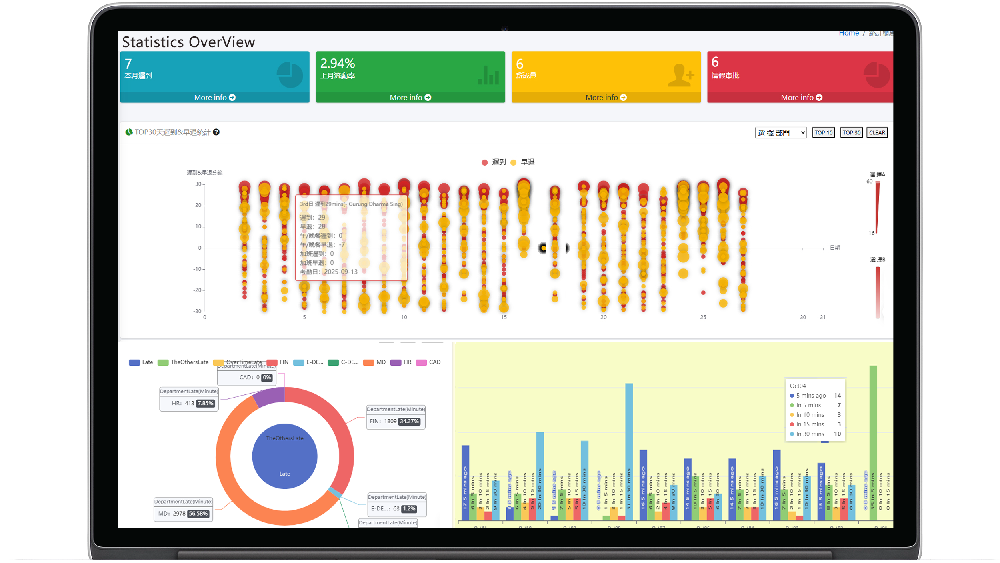
DGX-HRMS Attendance and Payroll Management System Fully Supports CIC Worker Interface Management Platform
Introduction
As a key pillar of Hong Kong’s economy, the construction industry is undergoing a critical stage of digital transformation. With technological progress and evolving industry demands, various human resource management systems have emerged. Among them, the Construction Industry Council (CIC) has introduced its Worker Interface Management Platform, which stands in sharp contrast to many comprehensive HR systems available in the market.
This article provides an in-depth analysis of the differences between these two types of systems in terms of functionality, applicability, and technical features. It focuses particularly on Hong Kong SME attendance and payroll management systems, HR systems supporting facial recognition clock-in, and multi-branch attendance management systems, offering professional insights to help construction enterprises select the most suitable management solution.
In today’s increasingly complex Hong Kong labor market, an efficient and accurate one-click payroll generation system has become essential for improving management efficiency. For construction companies with large numbers of mobile workers, choosing the right cloud-based HRMS is not only about efficiency but also directly impacts project cost control and compliance. This article compares specialized platforms and general-purpose software from a professional perspective, helping enterprises make smarter technology decisions.
Professional Comparative Analysis
Features of the CIC Worker Interface Management Platform
The CIC Worker Interface Management Platform is designed specifically for the unique needs of the construction industry, with its core strengths lying in deep adaptation to industry characteristics.
- Multi-branch attendance management: Optimized for worker mobility, dispersed work sites, and diverse job types. Compared with general time and attendance software, it excels in handling cross-project staff allocation, site-specific attendance rules, and industry-specific allowance calculations.
- Technical integration: Supports multiple authentication methods, including NFC attendance systems and face recognition time clocks optimized for construction environments. For example, facial recognition accuracy in low-light, dusty conditions, and NFC usability with gloves are tailored to site realities.
- Compliance advantages: Built-in support for construction-specific regulations, safety training records, and skill certification management ensures full compliance with Hong Kong construction laws. Unlike general employee payroll software, it reduces the need for extra compliance modules and lowers risk management costs.
Limitations: Integration with non-construction systems is relatively weak, making unified integrated payroll and attendance management across diversified enterprises difficult. Customization flexibility is also limited, which may restrict adaptability in fast-changing business environments.
Capabilities of General HRMS Software in Hong Kong
General-purpose HRMS software offers a different set of advantages:
- Comprehensive functionality: Covers recruitment, onboarding, attendance, payroll, and performance management in one cloud HR system, reducing integration complexity and costs for SMEs.
- Advanced technology: Features like customizable scheduling systems and attendance anomaly alerts often use advanced algorithms and user-friendly interfaces. Facial recognition modules include cutting-edge security features such as liveness detection and anti-spoofing.
- Integration and scalability: Open APIs allow seamless integration with finance, ERP, and third-party apps. This flexibility makes attendance software for chain stores adaptable to diverse industries and scales.
Limitations: General HRMS systems lack deep optimization for construction-specific needs such as complex overtime rules, skill certification, and safety compliance. While NFC clock-in support is common, adaptation to harsh site environments is weaker than specialized platforms.
Detailed Module Comparison
- Attendance Management:
- CIC platform: Project-oriented, supports multi-dimensional statistics by project, job type, and team, with built-in overtime rules.
- General HRMS: Flexible and customizable, suitable for complex scheduling across industries, but requires customization for construction-specific needs.
- Payroll Management:
- CIC platform: Automated payroll settlement (monthly, weekly, yearly) tailored to construction wage structures, handling allowances, bonuses, and deductions.
- General HRMS: Greater flexibility and richer reporting, ideal for diversified enterprises needing unified payroll policies and cost analysis.
- Technical Architecture:
- CIC platform: Industry-specific cloud architecture, certified for compliance and security, but less scalable.
- General HRMS: Public or hybrid cloud architecture, highly scalable and adaptable to business growth.
- Mobile & Self-Service:
- CIC platform: Focused on attendance and work order management, simple and worker-friendly.
- General HRMS: Comprehensive mobile apps with leave requests, payroll queries, and performance feedback, but may be complex for less digitally skilled workers.
Cost Analysis
- Implementation Costs:
- CIC platform: Lower initial costs due to industry standardization, but limited scalability may lead to hidden costs later.
- General HRMS: Higher initial investment, especially for customization, but modular design reduces long-term expansion costs.
- Operational Costs:
- CIC platform: Lower maintenance needs, simpler IT requirements.
- General HRMS: More complex, requiring IT support, but unified management offsets some costs.
Compliance and Risk Management
- CIC platform: Strong in construction-specific compliance, with built-in regulation libraries and automatic updates for work hours, minimum wage, and MPF requirements.
- General HRMS: Solid in general labor law compliance, with update services for legal changes, but requires extra configuration for industry-specific rules.
- Data Security:
- CIC platform: Industry-standard security focused on core business data.
- General HRMS: Broader, internationally certified security measures, especially for sensitive biometric data in face recognition time clocks.
Conclusion and Recommendations
- For construction-focused enterprises: The CIC Worker Interface Management Platform offers industry-specific features and compliance support, with optimized multi-branch attendance management and automated payroll settlement tailored to construction needs.
- For diversified or growing enterprises: General HRMS software provides flexibility, scalability, and integration, supporting long-term digital transformation despite requiring customization for construction-specific needs.
Technology choices: Facial recognition and NFC systems are now standard, but construction sites may require ruggedized devices and optimized algorithms, favoring specialized platforms. Offices or fixed workplaces may benefit more from general HRMS systems with richer features.
Long-term perspective: Specialized platforms innovate deeply within the industry, while general HRMS systems evolve rapidly in technology and ecosystem integration. Enterprises should evaluate vendor roadmaps and industry trends to ensure alignment with long-term digital strategies.
Final takeaway: There is no one-size-fits-all solution. The best choice depends on balancing current needs with future growth. Enterprises should conduct detailed requirement analysis and cost-benefit evaluations, and consider phased implementation strategies to strike the right balance between specialization and generalization.
































Featured comments
No comments yet. Be the first.
Leave a comment
Bold and lists OK; no external scripts or images
0 / 2000
Comments appear after moderation