Digitalising Subcontractor Registration under CIC: How Can SMEs Cope?
Facing new CIC regulations, SMEs can adopt digital solutions such as cloud-based subcontractor databases and simple compliance tracking tools to achieve CIC compliance, enhance operational efficiency, and boost competitiveness.
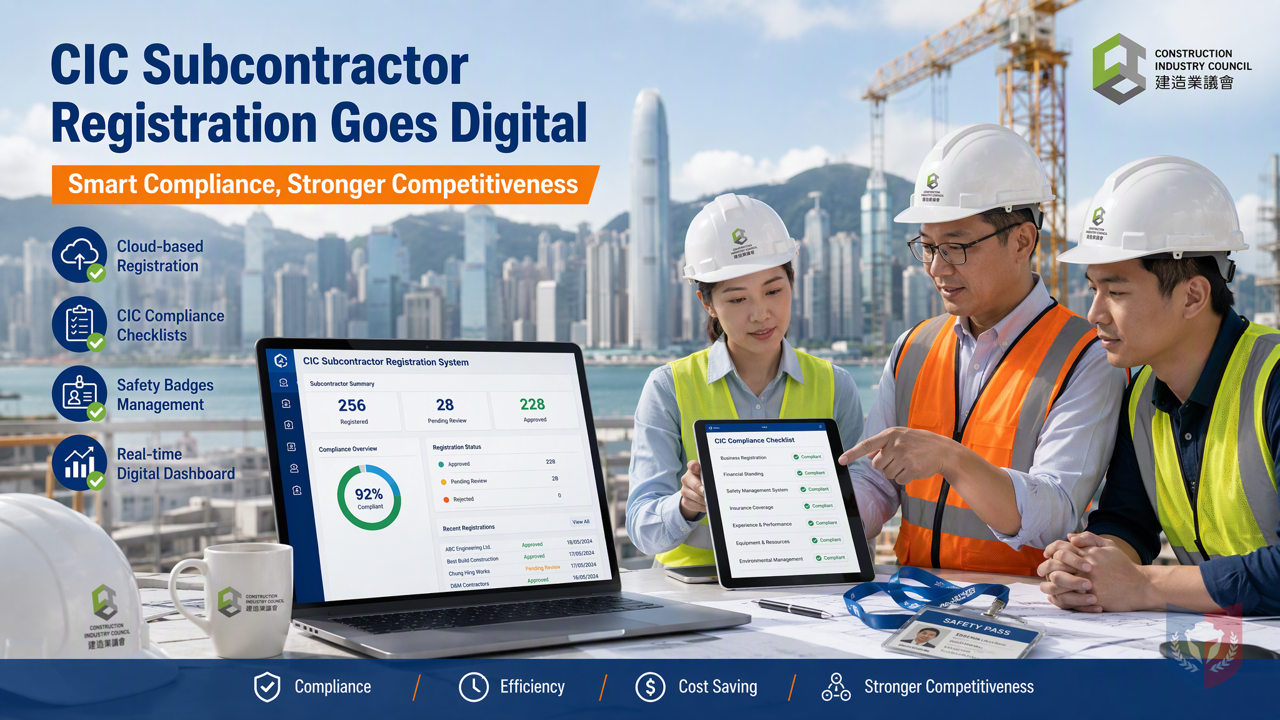
Time & Payroll Suite
Attendance, Payroll and Access Control Solution for Cost Reduction and Productivity Gains Details
All‑in‑one automated timekeeping and payroll system with robust, secure processes to guarantee payroll integrity. Includes leave management, shift rostering, multi‑site and chain support, multi‑ledger accounting, and comprehensive modules.
New Construction Regulations: Are SMEs Ready?
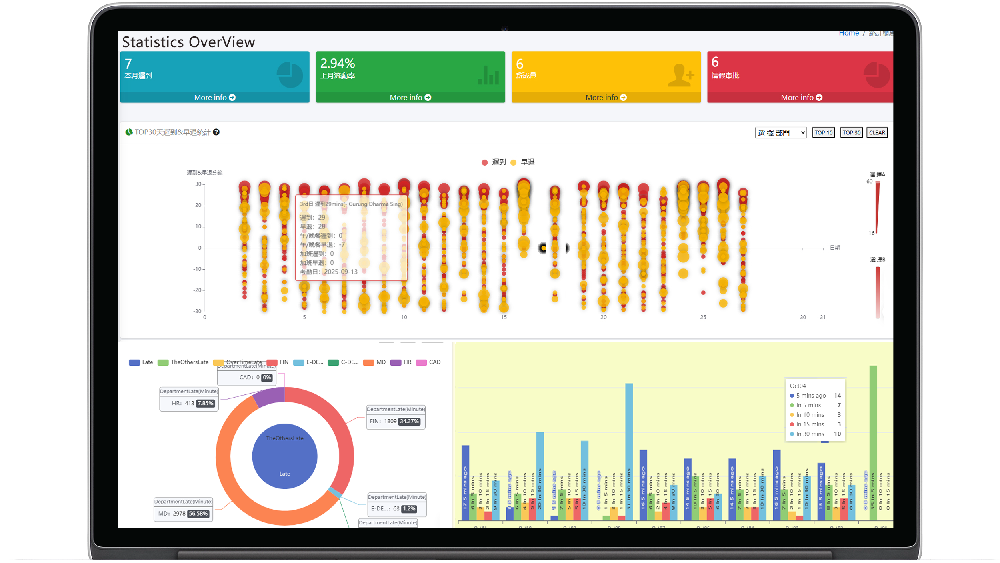
The Construction Industry Council (CIC) and the Development Bureau have been actively promoting digitalised management of site safety and subcontractor registration. New regulations require main contractors to effectively monitor subcontractors' registration status, safety performance, and compliance records. For SMEs with limited resources, this is both a challenge and an opportunity to enhance management. This article explores practical, cost-effective digital solutions for SMEs to meet the new rules and turn compliance into a competitive advantage.
Key Regulatory Focus: Digitalised Subcontractor Registration Is Inevitable
CIC has been progressively implementing digitalised subcontractor registration, requiring main contractors to ensure all subcontractors are registered and meet safety and training requirements. The Development Bureau also emphasises accountability in site safety management. Project managers and safety officers must stay informed of subcontractors' compliance status or face legal liability.
Traditional paper-based or spreadsheet methods often lead to outdated, missing, or untraceable data. In the event of an accident, without complete compliance records, contractors face significant risks. Thus, digitalisation is not just about compliance but also risk management.
Pain Points and Opportunities for SMEs
SMEs often face tight manpower, limited funds, and lack of IT support. However, digital solutions are not exclusive to large corporations. Cloud-based platforms tailored for the construction industry offer subcontractor databases, compliance tracking, and automated reminders at flexible pricing suitable for SMEs.
Pain Point 1: Dispersed Data Difficult to Integrate
Many contractors still rely on Excel or paper records, making retrieval difficult and updates untimely. When CIC or the Development Bureau requests verification, significant manpower is needed to compile information.
Pain Point 2: Compliance Status Hard to Track
Subcontractors' registration validity, safety training records, and insurance are time-sensitive. Manual tracking often leads to oversights. If a subcontractor's registration expires unnoticed, the entire project may be non-compliant.
Pain Point 3: Lack of Systematic Records
In case of a workplace accident, contractors must prove they have fulfilled their supervisory duties. Without systematic records, it is difficult to provide evidence, increasing legal risks.
Practical Digital Solutions
To address these pain points, SMEs can consider the following digital solutions to gradually achieve CIC compliance:
Cloud-Based Subcontractor Database
Establish a centralised cloud database to store all subcontractors' registration numbers, validity periods, safety training certificates, and insurance details. Authorised personnel can access and update information anytime, anywhere, ensuring accuracy and consistency. Some platforms support document uploads for easy review.
Simple Compliance Tracking Tools
Use compliance tracking tools with automated reminders set before subcontractor registrations or certificates expire, avoiding omissions. Managers can view the compliance status of all subcontractors via a dashboard and follow up promptly.
Mobile Site Inspections
Some solutions support mobile apps, allowing frontline staff to check subcontractor information on-site and record inspection results instantly. This improves efficiency and ensures reliable records.
Return on Investment: Digitalisation Beyond Compliance
Implementing digital solutions requires investment, but the returns for SMEs are significant:
- Reduced legal risks: Systematic records help provide evidence and avoid penalties or lawsuits.
- Improved management efficiency: Automated tracking saves manpower, allowing management to focus on core business.
- Enhanced competitiveness: Meeting CIC compliance helps secure larger projects or partnerships.
- Improved corporate image: Demonstrates commitment to site safety and compliance, building client trust.
For a medium-sized contractor, annual losses from compliance issues could far exceed the investment in digitalisation. Thus, it is a strategic investment.
How to Choose the Right Solution?
SMEs should consider the following factors when selecting a digital solution:
- Ease of use: Simple interface, no professional IT knowledge required.
- Scalability: Can adjust with business growth, e.g., adding users or functions.
- Cost-effectiveness: Flexible pricing models, such as monthly or per-project fees.
- Technical support: Local support and training from vendors for smooth transition.
- Compliance updates: Solution keeps up with the latest CIC and Development Bureau requirements.
Call to Action: Deploy Early to Gain an Edge
The new CIC subcontractor registration digitalisation regulations are being implemented. SMEs should plan early and choose suitable digital management solutions. This is not only about meeting legal requirements but also an opportunity to enhance management, reduce risks, and boost competitiveness.
We offer digital solutions tailored for SMEs to help you achieve CIC compliance easily and focus on business growth. Contact us today to learn how to maximise returns with minimal cost.



























Featured Reviews
No reviews yet. Be the first to leave one.
Write a review
Supports bold and lists; do not paste external scripts or images
0 / 2000
Visible after review