New DEVB Site Safety Guidelines: Essential Monitoring System Selection and Compliance for Construction Professionals
The Construction Industry Council and Development Bureau are driving digital management for site safety and subcontractor registration. Project managers and construction professionals must master the new policies. This article provides practical guidance on monitoring system selection and compliance strategies to mitigate legal risks and enhance management efficiency.
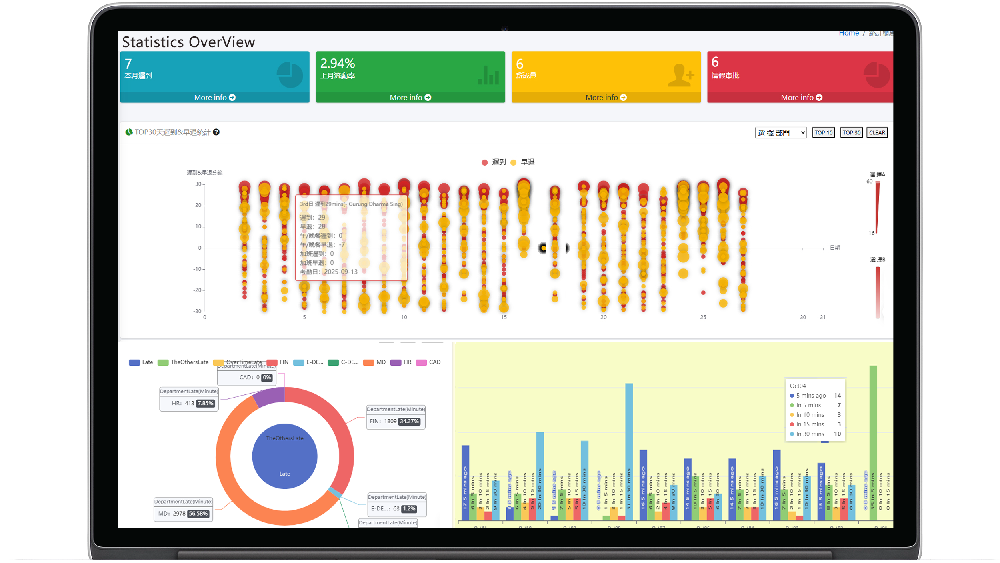
Time & Payroll Suite
Attendance, Payroll and Access Control Solution for Cost Reduction and Productivity Gains Details
All‑in‑one automated timekeeping and payroll system with robust, secure processes to guarantee payroll integrity. Includes leave management, shift rostering, multi‑site and chain support, multi‑ledger accounting, and comprehensive modules.
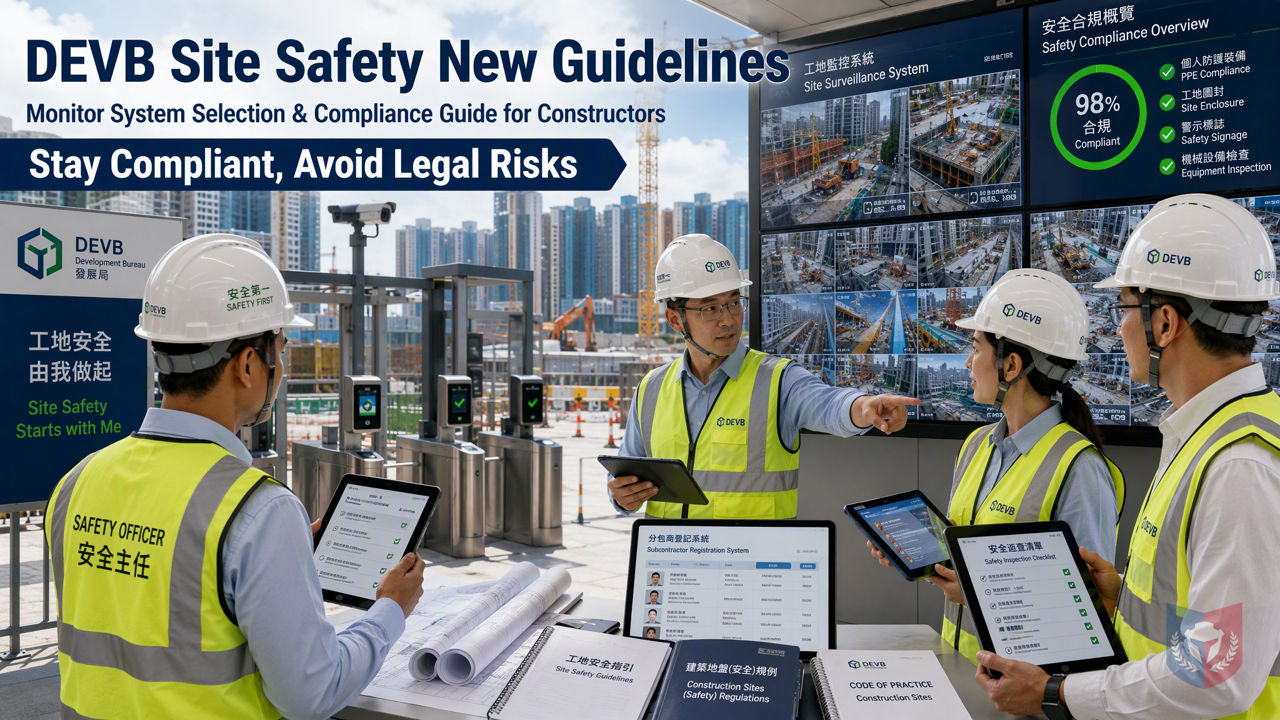
New DEVB Site Safety Guidelines: Essential Monitoring System Selection and Compliance for Construction Professionals
The Construction Industry Council (CIC) and the Development Bureau (DEVB) have been actively promoting digital management for site safety and subcontractor registration in Hong Kong. The latest guidelines have significant implications for project managers (PMs), construction professionals, and responsible persons. This article explores how to select compliant monitoring systems from a security perspective and shares practical tips to help you meet the digital subcontractor registration requirements and avoid legal risks.
Requirements of the New Guidelines on Site Safety (Public Level)
The DEVB and CIC emphasise that site safety is not just a responsibility on the construction site but a core part of the entire project management process. The new guidelines require project teams to implement more rigorous supervision mechanisms, including but not limited to:
- Personnel Access Management: Ensure only qualified and registered subcontractor personnel can enter the site, reducing unauthorised risks.
- Real-time Monitoring and Recording: Continuously monitor site safety conditions through technological means and keep records for audit purposes.
- Digital Subcontractor Registration: Require main contractors to manage subcontractor registration digitally, ensuring accurate and easily auditable data.
These requirements aim to enhance overall site safety and enable construction professionals and PMs to fulfil their duties more effectively. Failure to comply may result in legal liabilities and penalties, making the selection of an appropriate monitoring system crucial.
How to Choose a Compliant Monitoring System
Among the many monitoring systems on the market, construction professionals should evaluate from three aspects: functionality, scalability, and cost, to ensure the system meets current and future compliance needs.
Functionality: Meeting Site-Specific Scenarios
The construction site environment is unique, and monitoring systems need the following features:
- HD Video and Night Vision: Ensure all-weather monitoring, capturing clear images even in low-light conditions.
- Intelligent Motion Detection: Automatically identify abnormal activities and notify management immediately for faster response.
- Remote Access: Allow PMs and construction professionals to view site conditions anytime, anywhere via mobile or computer for convenient management.
- Data Storage and Retrieval: Retain recordings for a certain period for investigation in case of incidents.
These features not only aid daily management but also serve as evidence for compliance audits.
Scalability: Adapting to Future Policy Changes
With technological advancements and regulatory updates, monitoring systems should be scalable, for example:
- Support for Multiple Cameras: Increase the number of cameras based on site scale.
- Integration with Other Management Systems: Such as access control and attendance, for one-stop management.
- Cloud or Local Storage Options: Flexibly choose based on needs to ensure data security.
Choosing a scalable system avoids additional costs from replacing equipment in the short term.
Cost: Balancing Investment and Return
The investment in a monitoring system should consider the total cost of ownership (TCO), including equipment, installation, maintenance, and upgrade costs. It is recommended that construction professionals:
- Compare Different Solutions: Choose cost-effective products, not just looking at the initial price.
- Consider Leasing or Purchasing: Decide based on project duration; short-term projects may consider leasing to reduce expenses.
- Evaluate Returns: A good monitoring system can reduce accidents and improve efficiency, saving costs in the long run.
How Digital Management Tools Assist Subcontractor Registration
Digital subcontractor registration is a key focus of the DEVB's new policy. Through digital management tools, construction professionals can:
- Centralise Subcontractor Data: Including registration status, qualifications, insurance, etc., ensuring compliance.
- Automated Reminders: The system can alert for renewals or missing documents, avoiding omissions.
- Generate Compliance Reports: Export reports with one click for submission to relevant authorities.
These tools not only simplify processes but also reduce the risk of human error, allowing construction professionals to focus on site safety and other core tasks.
Practical Tips to Avoid Legal Liabilities
To ensure compliance with regulations and avoid legal risks, construction professionals and PMs should note the following:
- Regularly Review Monitoring Systems: Ensure they are functioning properly and update software to patch security vulnerabilities.
- Train Staff: Familiarise the team with system operations and compliance requirements.
- Retain Records: Properly store monitoring recordings and subcontractor registration documents for audit purposes.
- Consult Professional Advice: Work with compliance consultants or monitoring system suppliers to ensure solutions meet the latest guidelines.
- Stay Updated on Policies: Continuously monitor announcements from the DEVB and CIC and adjust management strategies promptly.
Conclusion
The new DEVB site safety guidelines and digital subcontractor registration requirements bring challenges to construction professionals but also opportunities to enhance management standards. Choosing the right monitoring system and leveraging digital management tools can ensure compliance and improve site safety and operational efficiency. Take action now, master the new policies, and safeguard your projects.































Featured comments
No comments yet. Be the first.
Leave a comment
Bold and lists OK; no external scripts or images
0 / 2000
Comments appear after moderation