New Site Safety Standards: A Must-Read Compliance Guide for Project Managers on Surveillance Systems
The Construction Industry Council (CIC) and Development Bureau are driving digitalised management for site safety and subcontractor registration. Project managers and construction professionals must grasp the new policies to ensure compliance and avoid legal liabilities. This article offers a compliance guide for security surveillance systems.
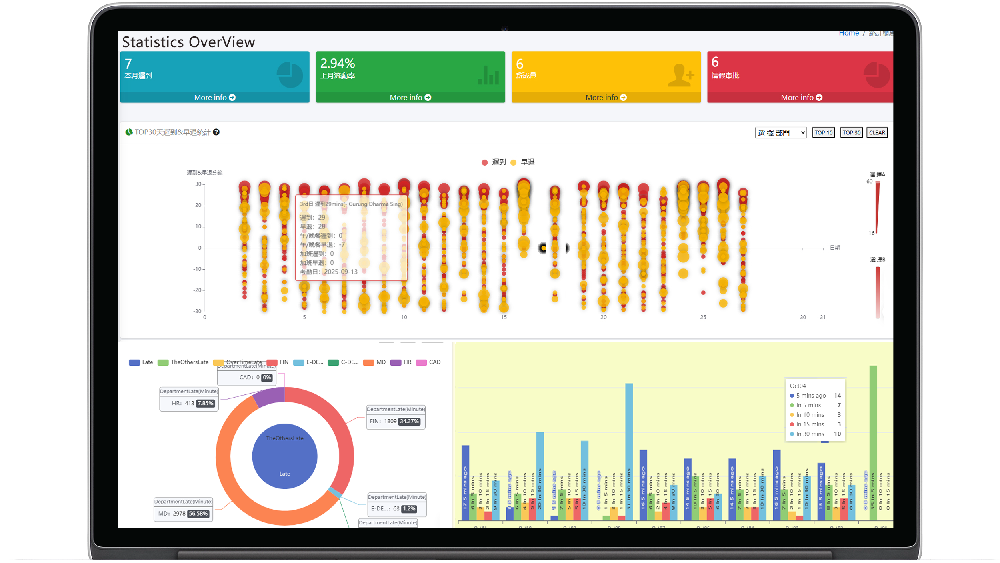
Time & Payroll Suite
Attendance, Payroll and Access Control Solution for Cost Reduction and Productivity Gains Details
All‑in‑one automated timekeeping and payroll system with robust, secure processes to guarantee payroll integrity. Includes leave management, shift rostering, multi‑site and chain support, multi‑ledger accounting, and comprehensive modules.
New Site Safety Standards: A Must-Read Compliance Guide for Project Managers on Surveillance Systems
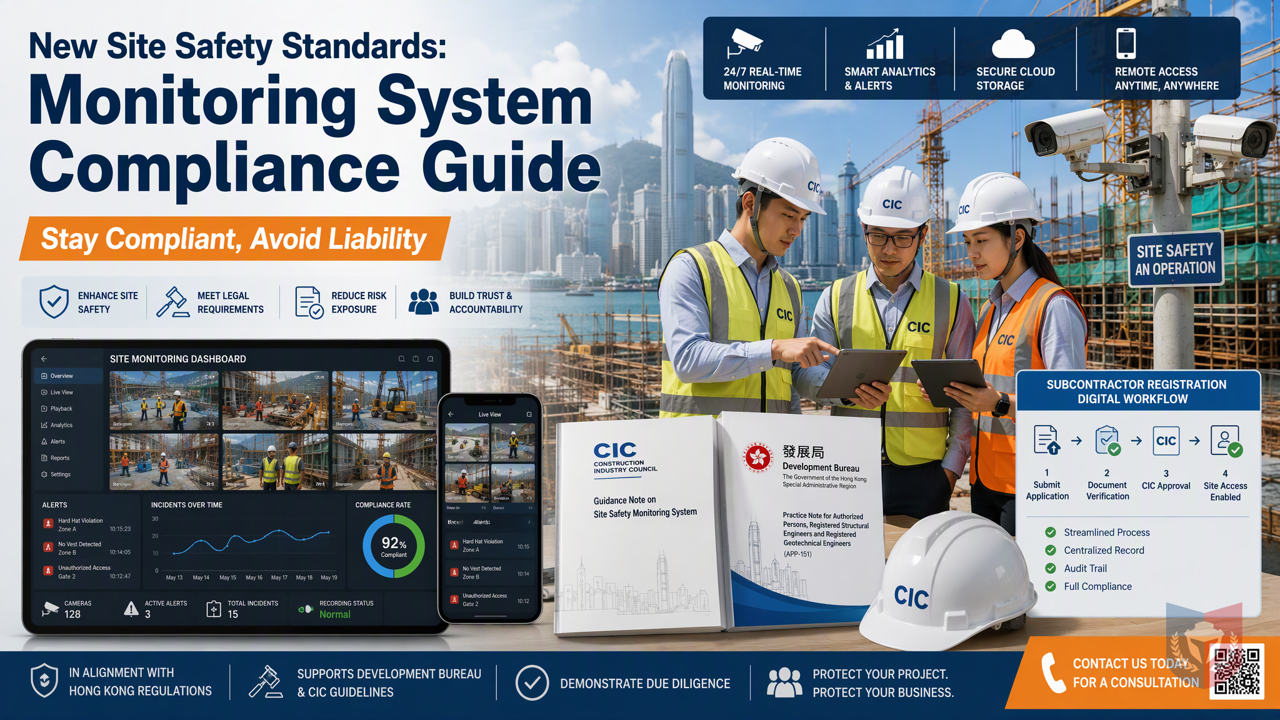
The Construction Industry Council (CIC) and the Development Bureau have been driving reforms in the construction industry. The latest wave of new site safety standards and digitalised subcontractor registration has become a critical issue that project managers, site managers, and construction professionals must grasp immediately. These new standards not only affect daily site operations but also directly impact corporate compliance and legal liabilities. This article interprets the key points of the new standards based on public information and explores how a compliant security surveillance system can help you meet requirements effortlessly while enhancing management efficiency.
Key Points of the New Standards (Public Information)
According to information published by the CIC and the Development Bureau, the new standards focus on two main areas: site safety and digitalised subcontractor registration.
- Site Safety: Contractors are required to strengthen risk management, including monitoring high-risk operations, recording personnel entry and exit, and emergency response. The authorities encourage the adoption of technological solutions such as high-definition CCTV and smart sensors to assist on-site safety management.
- Digitalised Subcontractor Registration: Promoting electronic registration processes for subcontractors to ensure all subcontractors and their personnel entering the site are compliantly registered and can be verified in real-time. This means the site requires a reliable digital management system that integrates data on personnel and vehicle access, training records, safety certifications, etc.
These new regulations are not just on paper; they are gradually being incorporated into licensing conditions and construction contracts. Project managers who fail to adapt in time may face warnings, fines, or even legal action. Therefore, deploying a compliant surveillance system early has become an industry consensus.
How Surveillance Systems Meet Compliance Requirements
A security surveillance system that meets the new standards should possess the following publicly verifiable functions to help sites achieve compliance:
High-Definition Recording and Evidence Preservation
The new standards emphasise incident traceability and accountability. High-definition network cameras can clearly record site entrances, high-risk areas, and critical operations, providing reliable video evidence. In the event of a workplace accident or dispute, management can quickly review recordings to assist investigations. When purchasing, pay attention to camera resolution (e.g., 1080p or above), night vision, and weatherproof ratings to ensure all-weather operation.
Remote Access and Real-Time Monitoring
Project managers often need to manage multiple sites simultaneously and cannot always be physically present. A surveillance system with remote access allows managers to view site conditions anytime via computer or mobile phone, instantly identifying safety hazards and giving instructions. This not only improves response speed but also facilitates reporting to clients or regulatory bodies.
Intelligent Analysis and Alerts
Some systems are equipped with intelligent video analytics, such as motion detection, intrusion alerts, and helmet recognition, which can automatically alert abnormal situations and reduce the burden of manual monitoring. These functions help prevent accidents and enable rapid response when incidents occur.
Integration with Subcontractor Registration Data
To support digitalised subcontractor registration, the surveillance system can interface with electronic registration platforms to automatically verify personnel identity at entrances, ensuring only registered and safety-trained personnel can enter the site. This not only complies with regulations but also enhances site security.
Purchasing Tips and Common Pitfalls
With a myriad of surveillance systems on the market, how should project managers choose? Here are practical tips:
- Compliance First: Confirm that the system functions meet the public requirements of the CIC and the Development Bureau, such as recording retention periods, image quality, and data privacy handling. Avoid purchasing outdated or under-featured models.
- Scalability and Integration: Site needs change with project phases. The system should be easily expandable and able to integrate with existing management software (such as subcontractor registration platforms).
- Reliability and After-Sales Service: Site environments are harsh, and equipment must be durable. Choose reputable suppliers with local technical support and maintenance services.
- Cost-Effectiveness: Don't just look at the initial price; consider long-term maintenance, upgrades, and training costs. Some systems may seem cheap but have high subsequent costs.
- Common Pitfalls:
- Blindly pursuing the highest specifications, ignoring actual needs, causing waste.
- Neglecting data storage and backup solutions, leading to loss of important records.
- Not considering cybersecurity, increasing the risk of data breaches.
- Suppliers lacking construction industry experience, failing to understand the unique site environment.
How Digitalised Management Reduces Administrative Burden
The new standards bring more compliance requirements, but they also present an opportunity for digital transformation. A well-implemented surveillance system can combine with digitalised subcontractor registration platforms to automate the following processes:
- Personnel Entry and Exit Records: The system automatically records each person's entry and exit times, cross-checks with registration data, and generates reports, eliminating manual logging.
- Safety Training Tracking: Integrates training records to ensure all personnel meet safety qualifications, with reminders for renewal before certificates expire.
- Incident Reporting: In the event of an accident, the system can quickly export relevant footage and data to assist in report writing and expedite processing.
- Remote Auditing: Management or regulators can conduct remote reviews through authorised access, reducing on-site audit time.
These automated functions not only reduce administrative burden but also allow management teams to focus on improving site safety, creating a safer work environment.
Conclusion: Deploy Early to Avoid Legal Liabilities
The new site safety standards and digitalised subcontractor registration are inevitable trends. Project managers, site managers, and construction professionals must take them seriously. Choosing a compliant, reliable, and scalable surveillance system can not only meet the requirements of the CIC and the Development Bureau but also enhance management efficiency and reduce legal risks. Act now and introduce suitable solutions to your site to embrace the new era of the construction industry.
This article is for reference only. For specific compliance requirements, please refer to the latest announcements from the CIC and the Development Bureau.




























Featured comments
No comments yet. Be the first.
Leave a comment
Bold and lists OK; no external scripts or images
0 / 2000
Comments appear after moderation