2025 Retail Chain Attendance Trends: How AI Face Recognition and Compliance Management Enhance Store Efficiency and Employee Experience
Introduction: As competition in retail intensifies, attendance management for chain stores faces dual challenges of efficiency and compliance. This article explores two key trends in 2025—the widespread adoption of AI face recognition check-in and the rise of compliance requirements—and offers practical purchasing advice to help you optimize store operations.
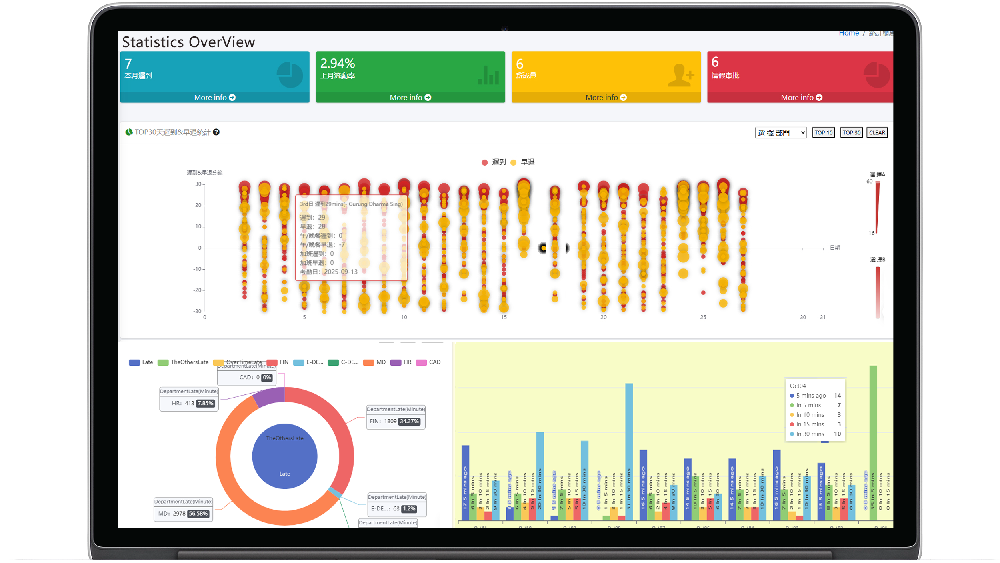
Time & Payroll Suite
Attendance, Payroll and Access Control Solution for Cost Reduction and Productivity Gains Details
All‑in‑one automated timekeeping and payroll system with robust, secure processes to guarantee payroll integrity. Includes leave management, shift rostering, multi‑site and chain support, multi‑ledger accounting, and comprehensive modules.
The New Era of Retail Chain Attendance: A Dual Transformation Driven by AI and Compliance
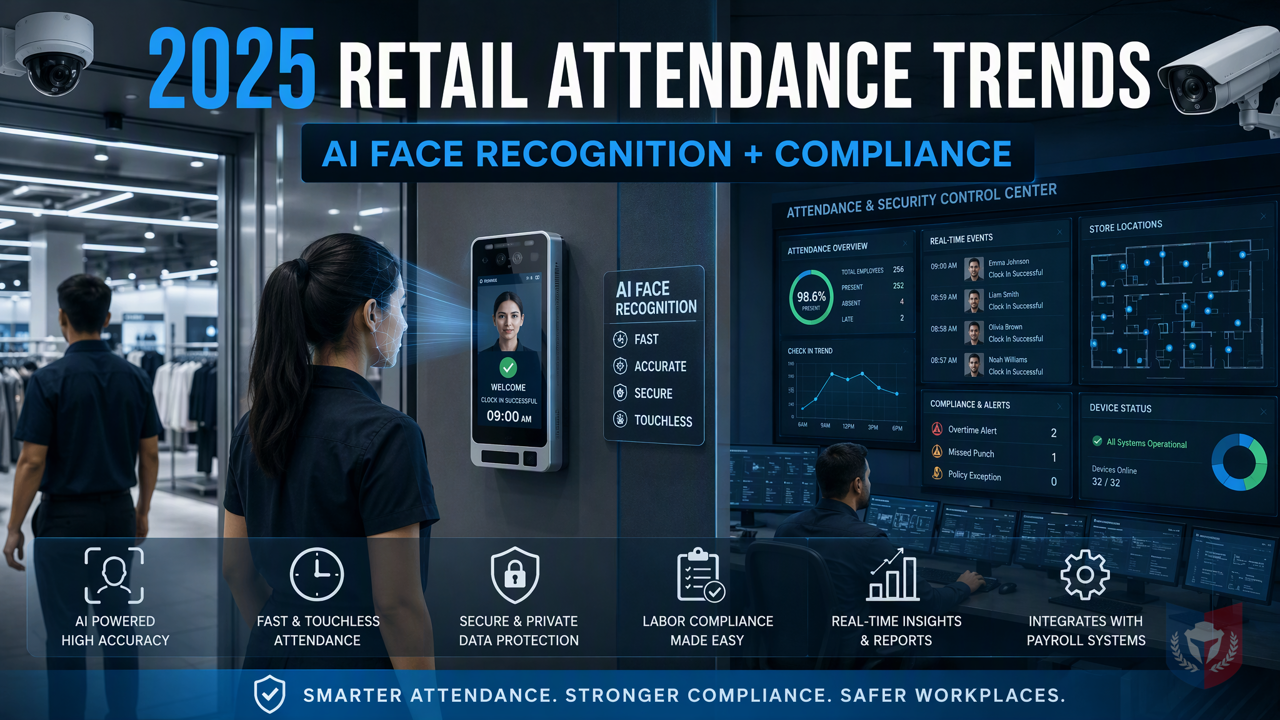
In 2025, attendance management for retail chain stores is undergoing a silent revolution. Traditional methods—such as passwords, fingerprints, or cards—are gradually falling short, especially with high turnover of part-time staff, multi-store scheduling, and increasingly stringent labor regulations. Two major trends stand out: the widespread adoption of AI face recognition attendance and the strengthening of compliance management. These trends not only address operational pain points but also become key drivers for enhancing efficiency and employee experience.
Trend 1: AI Face Recognition Attendance Becomes a Store Standard
The application of face recognition technology in retail chains is rapidly expanding. According to market observations, more chain brands will adopt AI attendance systems in 2025, replacing traditional check-ins. Why? Because it directly addresses the unique needs of retail:
- Fast deployment and support for high mobility: Store employees often work shifts and support across stores. Face recognition allows check-in within seconds, without carrying cards or remembering passwords. New hires can register on their first day, significantly reducing administrative burden.
- Prevent buddy punching and ensure accurate work hours: Buddy punching is common in retail, leading to payroll disputes. Face recognition ensures the person is actually present, making work hour records precise and reducing labor disputes.
- Enhance employee experience: Employees no longer need to queue for fingerprint machines or worry about forgetting cards. Contactless check-in is also more hygienic, meeting post-pandemic expectations.
For managers, AI face recognition attendance systems provide real-time dashboards, allowing headquarters to monitor attendance across stores and quickly allocate manpower. This not only saves management time but also makes human resource deployment more flexible.
Trend 2: Compliance Management Becomes a Core Purchasing Consideration
In 2025, labor regulations regarding work hour records are becoming stricter in various regions. Retail chains face compliance challenges including: work hour limits, rest breaks, overtime calculation, etc. Traditional attendance systems often cannot automate these rules, leading to human errors and penalty risks.
Therefore, next-generation attendance solutions must have:
- Automated compliance checks: Systems can automatically calculate work hours, overtime, and rest periods based on regional regulations, and alert managers to anomalies.
- Audit trails and reports: Complete records of check-in times and modification history for labor inspections.
- Flexible rule settings: Chain brands can set different rules for stores in different regions to ensure local legal compliance.
Choosing an attendance system with strong compliance features not only reduces legal risks but also demonstrates corporate respect for employee rights, enhancing employer branding.
How to Choose the Right Attendance System for Retail Chains?
With many options on the market, retail chain decision-makers should evaluate from the following angles:
- Functional match: Does it support face recognition? Can it handle multiple stores and shifts? Are compliance rules customizable?
- Integration capability: Can it seamlessly integrate with existing HR and payroll systems?
- Scalability: As the number of stores increases, can the system easily expand?
- Employee acceptance: Is the interface intuitive? Is the check-in process fast?
- Vendor support: Does it provide localized services and continuous updates?
Business Value: A Win-Win for Efficiency and Experience
Implementing AI face recognition and compliance management can bring concrete returns for retail chains:
- Reduce management costs: Automated attendance reduces manual processing time, allowing store managers to focus on sales and customer service.
- Reduce labor disputes: Accurate work hour records avoid disputes and enhance employee trust.
- Improve compliance safety: Avoid fines and lawsuits, protecting brand reputation.
- Optimize manpower allocation: Real-time data helps headquarters quickly dispatch staff to handle peak customer flow.
Conclusion
In 2025, attendance management for retail chains is no longer just about "clocking in." The combination of AI face recognition and compliance management is redefining store operational efficiency and employee experience. Choosing a suitable system is not just a technical upgrade but an investment in future competitiveness. Evaluate your needs now, embrace this retail trend, and let attendance become a driving force for growth.
































Featured Reviews
No reviews yet. Be the first to leave one.
Write a review
Supports bold and lists; do not paste external scripts or images
0 / 2000
Visible after review