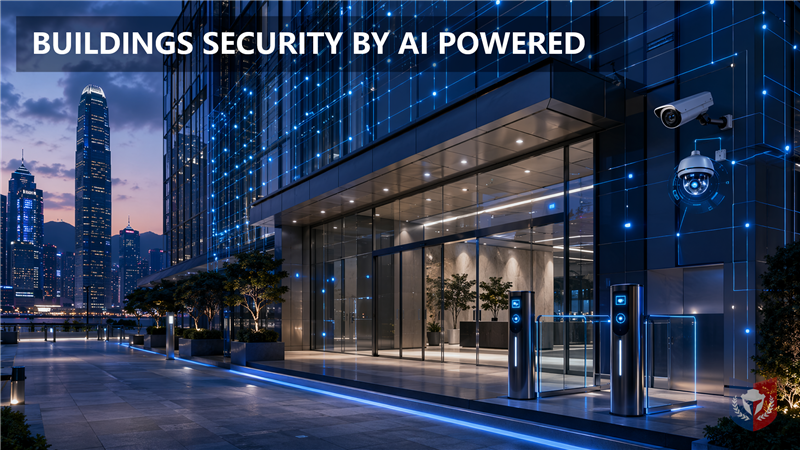
How Smart Security Systems Enhance Safety in Hong Kong Commercial Buildings
Exploring AI surveillance and access control technologies to improve security management efficiency in commercial buildings, in compliance with Hong Kong regulations.
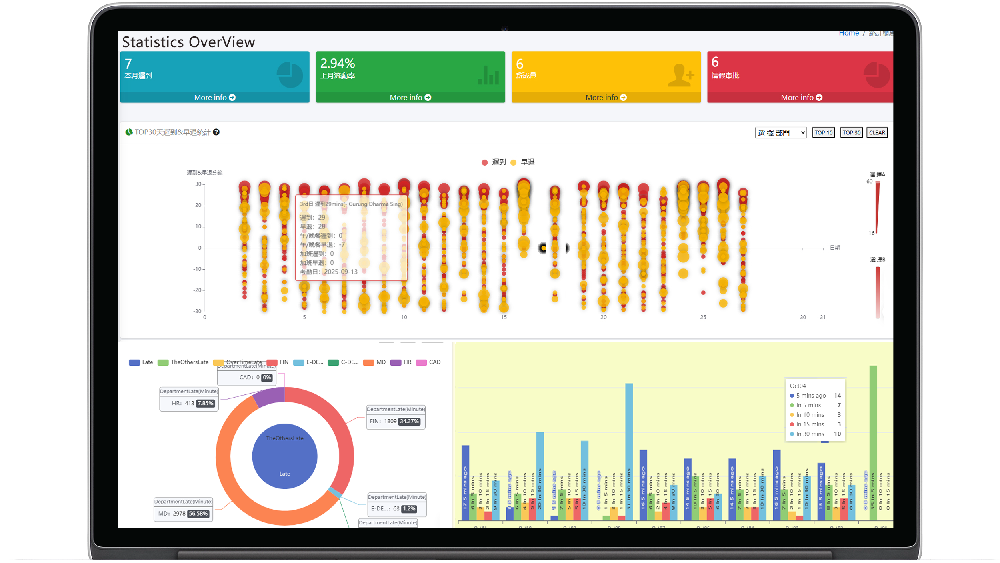
Time & Payroll Suite
Attendance, Payroll and Access Control Solution for Cost Reduction and Productivity Gains Details
All‑in‑one automated timekeeping and payroll system with robust, secure processes to guarantee payroll integrity. Includes leave management, shift rostering, multi‑site and chain support, multi‑ledger accounting, and comprehensive modules.
Introduction
In Hong Kong's high-density commercial landscape, security management of commercial buildings is a top priority for property management companies and building owners. Traditional security methods are no longer sufficient to address evolving threats. Smart security systems offer efficient and intelligent solutions. This article explores how smart security systems leverage AI surveillance and access control to enhance safety management in Hong Kong commercial buildings, while complying with local regulations.
Core Components of Smart Security Systems
Smart security systems integrate advanced technologies, including intelligent surveillance, access control, and intrusion detection, into a unified platform. Key components include:
Intelligent Surveillance Systems
Traditional surveillance relies on manual monitoring, which is inefficient. Intelligent surveillance uses AI algorithms to analyze video streams in real-time, detecting abnormal behaviors such as loitering, object abandonment, or perimeter breaches. For example, virtual fences can trigger alerts when someone crosses a boundary. This improves response time and reduces labor costs.
Access Control Systems
Modern access control goes beyond cards or passwords, incorporating biometrics like fingerprint, facial recognition, or iris scanning. These ensure only authorized personnel enter restricted areas. Systems can integrate with visitor management for pre-registration and temporary passes, enhancing security and visitor experience.
Intrusion Detection Systems
Intrusion detection uses infrared sensors, microwave radar, or vibration sensors to monitor perimeters and key areas. When anomalies are detected, the system alerts the security center and initiates emergency protocols. Smart systems can distinguish real threats from false alarms (e.g., animals), reducing unnecessary disruptions.
How Smart Security Enhances Management Efficiency
Real-time Response and Alerts
The core advantage is real-time capability. AI surveillance runs 24/7, instantly alerting via mobile apps or control centers when threats are detected. Security personnel can quickly assess and act, minimizing damage. For instance, if a door lock is tampered with, the system locks the area and notifies nearby guards.
Data Analysis and Decision Support
Smart systems not only collect data but also analyze it. By studying historical events and behavior patterns, the system can predict high-risk times or areas, helping optimize security deployment. For example, patrol routes can be adjusted based on foot traffic, improving resource efficiency.
Regulatory Compliance
Hong Kong has strict regulations like the Buildings Ordinance and Personal Data (Privacy) Ordinance. Smart security systems must consider data protection and privacy. Cameras should avoid private areas, and biometric data must be encrypted and periodically deleted. Compliant systems reduce legal risks and build trust.
Practical Applications
A Grade-A Office Building in Central
A Central office building implemented smart security with AI surveillance and facial recognition access. Unauthorized entry incidents dropped by 80%, and security staff efficiency increased by 30%. The visitor management feature allowed pre-registered guests to enter via facial recognition, improving experience.
A Shopping Mall in Kowloon Bay
The mall adopted smart intrusion detection with infrared sensors and AI analysis. It prevented multiple attempted burglaries and assisted police with real-time alerts. The false alarm rate was below 5%, compared to 20% for traditional systems.
Key Factors in Choosing a Smart Security System
System Integration
Choose a unified platform that integrates surveillance, access control, and intrusion detection. Ensure it supports open protocols for future expansion or integration with other systems like fire safety or parking management.
Data Security and Privacy
Given Hong Kong's strict data protection laws, the system must have strong encryption and access controls. Vendors should provide clear data handling policies and ensure compliance.
After-sales Support
Smart systems require regular maintenance and upgrades. Select a vendor offering 24/7 technical support and rapid response to ensure stable operation.
Future Trends
With IoT and AI advancements, smart security systems will become more intelligent. They may integrate with building management systems for automated emergency responses (e.g., unlocking doors during fires). Edge computing will reduce cloud dependency, improving speed and data security.
Conclusion
Smart security systems offer unprecedented safety and efficiency for Hong Kong commercial buildings. Through AI surveillance, access control, and intrusion detection, property managers and owners can effectively prevent threats, optimize resources, and comply with regulations. When selecting a system, focus on integration, data security, and support. As technology evolves, smart security will become indispensable, safeguarding Hong Kong's business environment.




























Featured comments
No comments yet. Be the first.
Leave a comment
Bold and lists OK; no external scripts or images
0 / 2000
Comments appear after moderation