Hong Kong Construction Industry Compliance Monitoring: Intelligent Regulatory Solutions for Bamboo Scaffolding Work Platforms - CIC's Technology-Driven Mechanism Based on Hung Fuk Court Fire Lessons
香港建造業合規監視:竹棚架工作平台智能監管方案 - 基於宏福苑火災教訓的CIC科技監管機制

Time & Payroll Suite
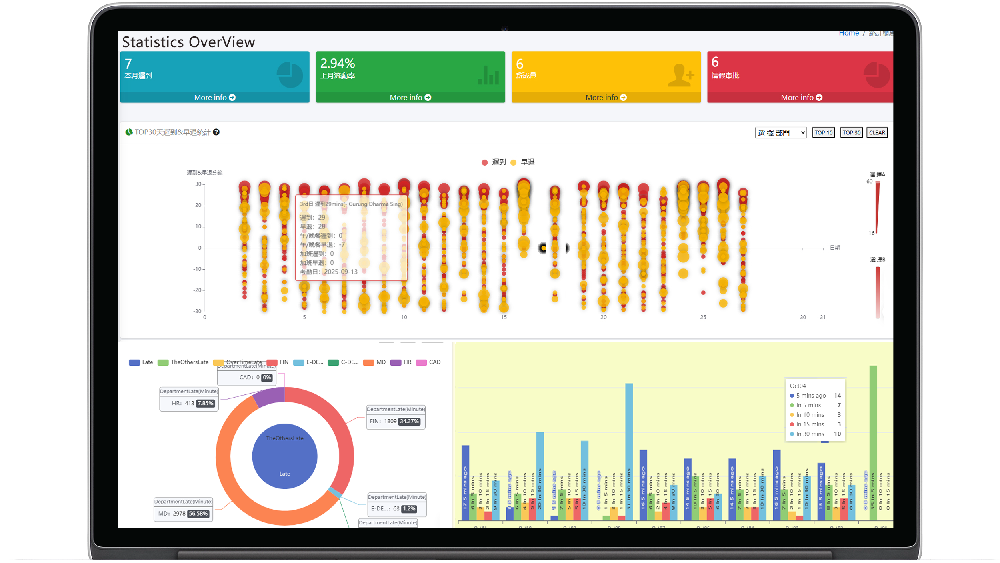
Attendance, Payroll and Access Control Solution for Cost Reduction and Productivity Gains Details
All‑in‑one automated timekeeping and payroll system with robust, secure processes to guarantee payroll integrity. Includes leave management, shift rostering, multi‑site and chain support, multi‑ledger accounting, and comprehensive modules.
Introduction: Regulatory Challenges in Construction Industry from Hung Fuk Court Fire
The recent Hung Fuk Court fire incident has sounded another alarm, highlighting safety regulatory gaps in high-risk work environments like bamboo scaffolding within Hong Kong's construction industry. The Construction Industry Council (CIC), as the industry regulator, faces an urgent need to establish effective regulatory mechanisms using technological means while adhering to personal privacy regulations. This article explores how CIC can integrate technologies such as intelligent attendance systems, CCTV surveillance, and identification alarm systems to achieve comprehensive compliance monitoring of bamboo scaffolding work platforms.
Lessons from Hung Fuk Court Fire and Regulatory Reflection
The Hung Fuk Court fire exposed limitations of traditional regulatory approaches: insufficient frequency of manual inspections, weak real-time risk identification capabilities, and difficulty in timely detection of violations. This incident has prompted the industry to reconsider: how to strictly enforce site regulatory requirements through technological means, especially in highly dangerous work environments like bamboo scaffolding.
Technological Transformation of CIC's Regulatory Mechanism
3.1 Integrated Application of Intelligent Surveillance Systems
While complying with the Personal Data (Privacy) Ordinance, CIC can promote the installation of intelligent CCTV systems in bamboo scaffolding work areas. These systems can not only provide 24/7 continuous surveillance but also integrate the following functions:
- AI behavior recognition: Using algorithms to identify unsafe work practices, such as not wearing safety harnesses or unauthorized climbing
- Real-time alarm mechanisms: Automatic alerts sent to regulatory personnel and site supervisors upon detection of potential hazards
- Encrypted data storage: Ensuring security and privacy protection of surveillance data, complying with Hong Kong legal requirements
3.2 Integration of Electronic Verification Devices and Attendance Systems
Combining electronic verification devices with site attendance systems can achieve:
- Construction worker registration attendance: Ensuring only qualified workers from registered specialist contractors can access high-risk work areas
- Real-time verification through CIC dual-registration management system: Immediate qualification checks via RFID site attendance systems or site biometric attendance
- Automated attendance data recording: Providing accurate data foundation for automated payroll calculation systems, reducing salary disputes
Comprehensive Upgrade of Compliance Management Systems
4.1 Construction of Intelligent Site Management Platform
CIC can promote the development of a unified intelligent site management platform integrating the following modules:
- Real-time attendance monitoring: Achieving multi-site attendance integration through mobile site attendance devices
- Violation warning systems: Automatically identifying potential compliance risks based on surveillance data and attendance records
- Site scheduling management systems: Optimizing human resource allocation to ensure adequate supervision of high-risk operations
4.2 Data-Driven Regulatory Decision Making
Through attendance data management and surveillance data analysis, CIC can:
- Identify high-risk contractors and work patterns
- Develop targeted regulatory strategies
- Provide data support for Construction Industry Council compliance systems
Privacy Protection and Technological Balance
While advancing technological regulation, strict adherence to privacy regulations is essential:
- Data minimization principle: Collecting only the minimum data necessary for regulation
- Clear notification mechanisms: Clearly explaining surveillance purposes and data usage scope to workers
- Access control: Strictly limiting access to surveillance data to prevent misuse
Implementation Pathway and Expected Benefits
6.1 Phased Implementation Strategy
- Pilot phase: Implementing intelligent regulatory systems in selected large construction sites
- Standard development: Developing technical standards for site regulatory requirement solutions based on pilot experience
- Comprehensive promotion: Gradually推广 throughout the industry, with special focus on high-risk operations like bamboo scaffolding
6.2 Expected Benefit Analysis
- Enhanced safety levels: Significant reduction in accident risks through real-time surveillance and alarms
- Optimized management efficiency: Paperless site attendance and automated payroll report generation reducing administrative burden
- Reduced compliance costs: Automated regulation decreasing manual inspection costs, improving site management efficiency
- Improved industry image: Demonstrating industry commitment to safety through technological regulation, enhancing public confidence
Conclusion: Technology-Enabled Safety Future
The Hung Fuk Court fire was a painful lesson but also provided an opportunity for regulatory innovation in Hong Kong's construction industry. By integrating technological means such as intelligent attendance systems, CCTV surveillance, and identification alarm systems, CIC can establish effective regulatory mechanisms for bamboo scaffolding work platforms while protecting personal privacy. This represents not only an upgrade to existing construction industry attendance systems and site payroll calculation systems but also a crucial step toward transforming into intelligent site management platforms and construction industry compliance monitoring platforms.
Looking forward, with further development of AI recognition technologies and IoT devices, Hong Kong's construction industry has the potential to achieve smarter, more efficient, and safer regulatory models, truly realizing the industry vision of "technology safeguarding safe operations."



























Featured comments
No comments yet. Be the first.
Leave a comment
Bold and lists OK; no external scripts or images
0 / 2000
Comments appear after moderation