物聯網(IoT)在智慧大廈中的應用與未來趨勢
探索物聯網技術如何重塑智慧大廈,提升運營效率與用戶體驗
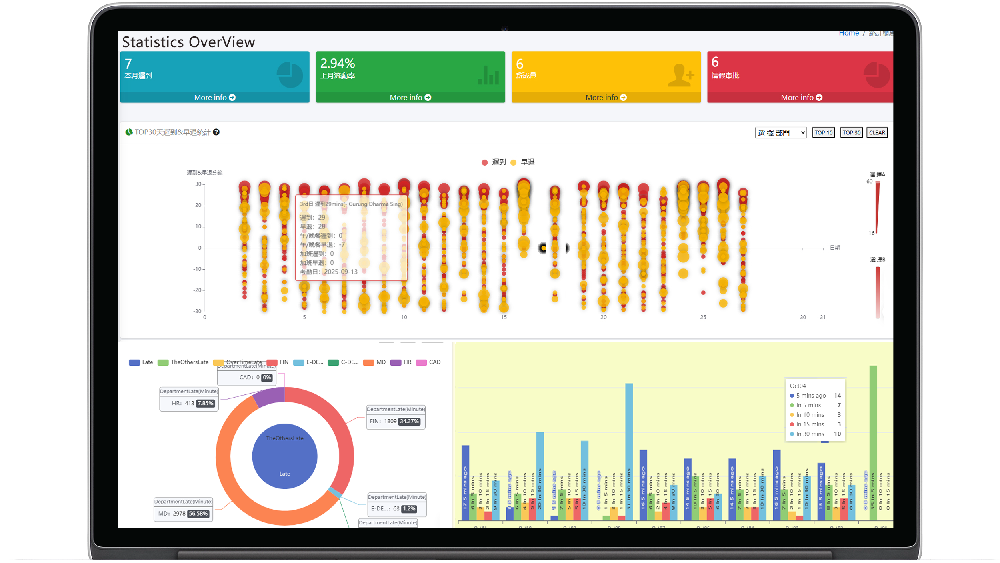
考勤与薪酬管理系统
考勤、薪酬、门禁、多功能集成系统,助力企业降本增效! Details
整合自动化考勤与薪酬计算, 高度安全的流程化,保障薪酬计算安全可控, 请假排班,多分支,连锁,分销, 多账目,功能全面。
Introduction
In today's digital era, the Internet of Things (IoT) has become a key force driving transformation across various industries. For smart buildings, IoT technology not only enhances operational efficiency but also significantly improves user experience. This article delves into the application scenarios of IoT in smart buildings, including energy management, environmental monitoring, equipment maintenance, and analyzes future trends and challenges, aiming to provide valuable insights for property managers and IT decision-makers.
Energy Management: The Cornerstone of Smart Energy Saving
Energy management is one of the core aspects of smart building operations. Traditional energy management methods often rely on manual monitoring and periodic inspections, which are inefficient and lack real-time responsiveness. The introduction of IoT technology has made energy management more intelligent and refined.
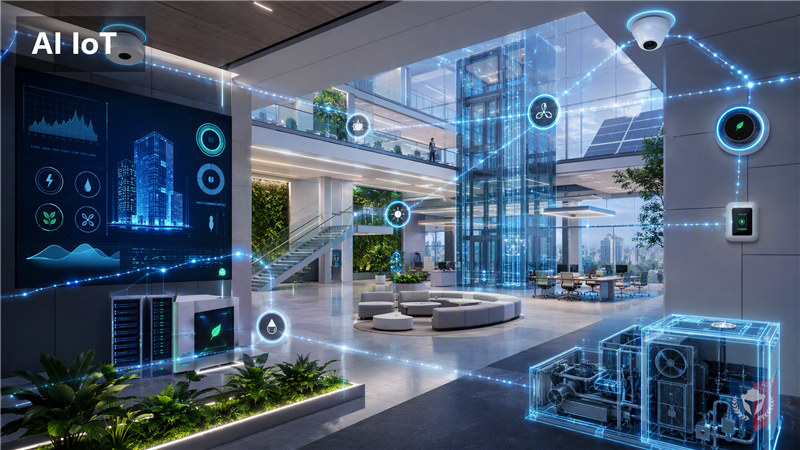
By deploying numerous sensors throughout the building, IoT systems can collect real-time data on electricity, water, gas, and other energy usage. This data, after being analyzed by cloud platforms, can provide detailed energy consumption reports and visual charts, helping managers grasp energy usage at a glance.
More importantly, IoT systems enable automated control. For example, when sensors detect that a certain area is unoccupied, the system automatically adjusts air conditioning and lighting to reduce energy consumption. Additionally, based on historical data and machine learning algorithms, the system can predict future energy demand, optimize energy distribution, and further reduce waste.
Environmental Monitoring: Creating Comfortable and Healthy Indoor Spaces
User experience is a crucial factor in smart buildings, and indoor environmental quality directly affects occupants' comfort and health. IoT technology in environmental monitoring provides strong support for creating green and healthy indoor spaces.
By installing sensors for temperature, humidity, light, air quality (such as PM2.5, CO2 levels), IoT systems can monitor indoor environmental parameters in real time. This data can not only be displayed to users via mobile apps or screens but also trigger automatic adjustments of equipment such as fresh air systems, humidifiers, and curtains to maintain optimal environmental conditions.
For instance, in office areas, when CO2 concentration exceeds a threshold, the system automatically activates the fresh air system to ensure air circulation, thereby improving employees' work efficiency. In addition, light sensors can automatically adjust curtains and lighting based on natural light intensity, saving energy while creating a comfortable light environment.
Equipment Maintenance: Predictive Maintenance Reduces Operational Costs
Equipment maintenance is a significant task in property management. Traditional maintenance methods usually involve regular inspections or post-failure repairs, which are time-consuming and labor-intensive, and may lead to operational disruptions. The application of IoT technology transforms equipment maintenance from reactive to proactive.
By installing sensors (vibration, temperature, current, etc.) on critical equipment such as elevators, air conditioning units, and pumps, IoT systems can monitor the operating status of equipment in real time. When data anomalies are detected, the system sends alerts to prompt managers to conduct timely inspections, preventing failures.
Furthermore, using machine learning algorithms to analyze historical data, the system can predict the remaining useful life of equipment and formulate optimal maintenance schedules. This predictive maintenance not only reduces equipment downtime but also extends equipment lifespan, significantly lowering operational costs.
Future Trends: Intelligence, Integration, and Sustainable Development
With continuous technological advancements, the application of IoT in smart buildings will exhibit the following trends:
Higher Level of Intelligence
In the future, IoT will deeply integrate with Artificial Intelligence (AI) to achieve higher levels of automation and intelligence. For example, AI algorithms can analyze user behavior patterns to automatically adjust the building environment, providing personalized comfort experiences. AI can also optimize energy management strategies to achieve energy saving and emission reduction goals.
Tighter System Integration
Various subsystems in smart buildings, such as security, fire protection, lighting, and air conditioning, will be more tightly integrated through IoT platforms. Unified data hubs and standardized interfaces enable smoother data sharing and collaboration between different systems, thereby enhancing overall operational efficiency.
Sustainable Development as a Core Focus
Against the backdrop of increasing global environmental awareness, the construction of smart buildings will place greater emphasis on sustainable development. IoT technology helps buildings achieve precise monitoring and optimization of energy consumption, reducing carbon emissions and meeting green building standards. Additionally, the integration of renewable energy sources and energy storage systems will become important components of future smart buildings.
Challenges and Strategies
Despite the numerous benefits IoT brings to smart buildings, there are still challenges in practical applications:
Data Security and Privacy Protection
With the large number of IoT devices and frequent data transmission, they become vulnerable to cyber attacks. Ensuring data security and user privacy is a critical issue that property managers and IT decision-makers must address. It is recommended to adopt measures such as encrypted transmission, access control, and regular security audits to strengthen IoT security.
Standardization and Interoperability
Currently, IoT devices and platforms lack unified standards, leading to incompatibility between products from different manufacturers. This requires strengthened cooperation within the industry to develop unified standards and protocols to achieve device interoperability and seamless system integration.
Cost and Return on Investment
Deploying IoT systems requires initial investment, including equipment procurement, installation, and maintenance. For some older buildings, the cost of retrofitting may be high. Therefore, managers need to conduct detailed cost-benefit analyses and choose appropriate technology solutions to ensure a return on investment.
Conclusion
IoT technology is profoundly changing the operational models and management methods of smart buildings. Through applications in energy management, environmental monitoring, and equipment maintenance, IoT not only enhances operational efficiency but also improves user experience. Facing future trends and challenges, property managers and IT decision-makers should actively embrace new technologies and formulate scientific strategies to achieve sustainable development of smart buildings.
In this process, the Internet of Things (IoT), as the core driving force, will continue to lead smart buildings toward a more intelligent and human-centric evolution. We have every reason to believe that in the near future, smart buildings will become an indispensable part of urban life, creating more comfortable, safe, and efficient environments for people.