AI 基础架构简介与应用
借助 AI-BOX 在任何环境中更快地启动 AI, 如何通过集成工具、可重复的工作流程、灵活的部署选项以及可信的合作伙伴生态系统来加速 AI/ML 模型和应用整个生命周期。
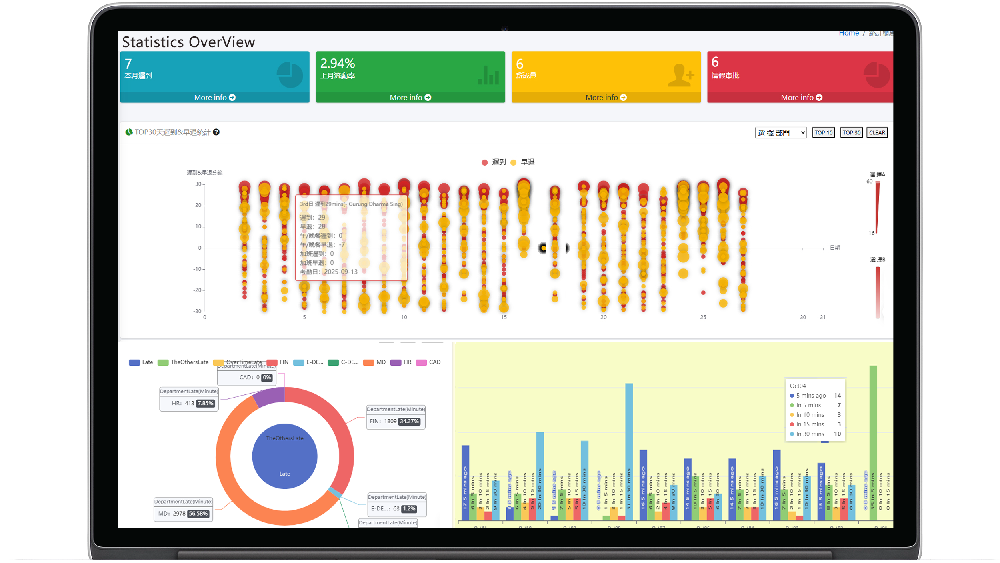
考勤与薪酬管理系统
考勤、薪酬、门禁、多功能集成系统,助力企业降本增效! Details
整合自动化考勤与薪酬计算, 高度安全的流程化,保障薪酬计算安全可控, 请假排班,多分支,连锁,分销, 多账目,功能全面。
What is AI Infrastructure?

As artificial intelligence (AI) becomes increasingly integrated into our daily lives, establishing a structure that enables efficient and effective workflows is crucial. This is where artificial intelligence infrastructure (AI infrastructure) comes in.

A well-designed infrastructure helps data scientists and developers access data, deploy machine learning algorithms, and manage the computing resources of hardware.
AI infrastructure combines artificial intelligence and machine learning (AI/ML) technologies to develop and deploy reliable and scalable data solutions. This technology is what makes machine learning possible, allowing machines to think like humans.
Machine learning is a technique that trains computers to find patterns, make predictions, and learn from experience without explicit programming. It can be used for generative AI, implemented through deep learning, a machine learning technique used to analyze and interpret large amounts of data.
AI Infrastructure Technology Stack
A technology stack is a set of technologies, frameworks, and tools used to build and deploy software applications. We can imagine these technologies being "stacked" together layer by layer to build the entire application. The AI infrastructure technology stack can develop and deploy applications faster through three basic layers.
The Application Layer allows humans and computers to collaborate with basic workflow tools, including end-to-end applications using specific models or non-specific applications for end users. End-user applications typically use open-source AI frameworks to create customizable models that can be tailored to specific business needs.
The Model Layer contains key checkpoints that support the various capabilities of AI products. This layer requires a managed solution for deployment and includes three models:
General AI: Artificial intelligence that replicates human thinking and decision-making processes. Examples include AI applications like OpenAI's ChatGPT and Ultralytics.
Specific AI: Artificial intelligence trained on very specific and relevant data to achieve higher precision. Examples include tasks like generating advertising copy and lyrics.
Hyperlocal AI: This enables the highest accuracy and relevance of artificial intelligence, aiming to become an expert in the field. Examples include writing scientific papers or creating interior design models.
The infrastructure layer consists of the hardware and software components needed to build and train AI models. Components such as GPUs (hardware) and dedicated processors (software) for optimization and deployment are part of this layer. Cloud computing services are also part of the infrastructure layer.
Learn more about Ultralytics AI
What are the components of AI infrastructure?
Now that we've introduced the three layers involved in AI infrastructure, let's look at some of the components needed to build, deploy, and maintain AI models.
Data Storage
Data storage collects and retains various digital information, namely applications, network protocols, documents, media, address books, and user preferences, all existing in bits and bytes. A robust data storage and management system is crucial for storing, organizing, and retrieving the amount of data needed for AI training and validation.
Data Management
Data management refers to the process of collecting, storing, and utilizing data through methods such as data management software. Data management allows you to understand what data you possess, its location, who owns it, who can see it, and how to access it. With proper control and implementation, data management workflows provide the analytical insights needed to help make better decisions.
Machine Learning Frameworks
Machine learning (ML), a subclass of artificial intelligence (AI), refers to using algorithms to identify patterns in a set of data and make predictions. Machine learning frameworks provide tools and libraries for designing, training, and validating machine learning models.
Machine Learning Operations
Machine learning operations (MLOps) are a set of workflow practices designed to streamline the production, maintenance, and monitoring of machine learning (ML) models. By drawing on DevOps and GitOps principles, MLOps aims to establish a continuously evolving process that allows machine learning models to be seamlessly integrated into the entire software development lifecycle.
Learn more about building an AI/ML environment?
Why is AI infrastructure critical?
A well-designed AI infrastructure lays the foundation for successful AI and machine learning (ML) operations. It helps drive innovation and achieve efficiency.
Advantages
AI infrastructure offers numerous benefits to AI operations and enterprises. The first benefit is scalability, providing the opportunity to scale operations up and down on demand, especially with cloud-based AI/ML solutions. The second is automation, allowing repetitive tasks to reduce errors and increase turnaround time for deliverables.
Challenges
Despite the many advantages of AI infrastructure, it does present some challenges. A key challenge is the quantity and quality of data that needs to be processed. Because AI systems rely on massive amounts of data for learning and decision-making, traditional data storage and processing methods may be insufficient to handle the scale and complexity of AI workloads. Another major challenge is the demand for real-time analytics and decision-making. This means the infrastructure must process data quickly and efficiently, requiring the integration of appropriate solutions to handle large volumes of data.
Applications
Several applications can address these challenges. With AI-BOX cloud services, you can quickly build, deploy, and scale applications. You can also improve efficiency by proactively managing and supporting consistency and security. Red Hat Edge helps you deploy closer to where your data is collected and gain actionable analytics.
































精选短评
尚无短评,欢迎留下第一则。
写短评
支持粗体、列表;勿贴外部脚本或图片
0 / 2000
提交后需审核才会公开显示